
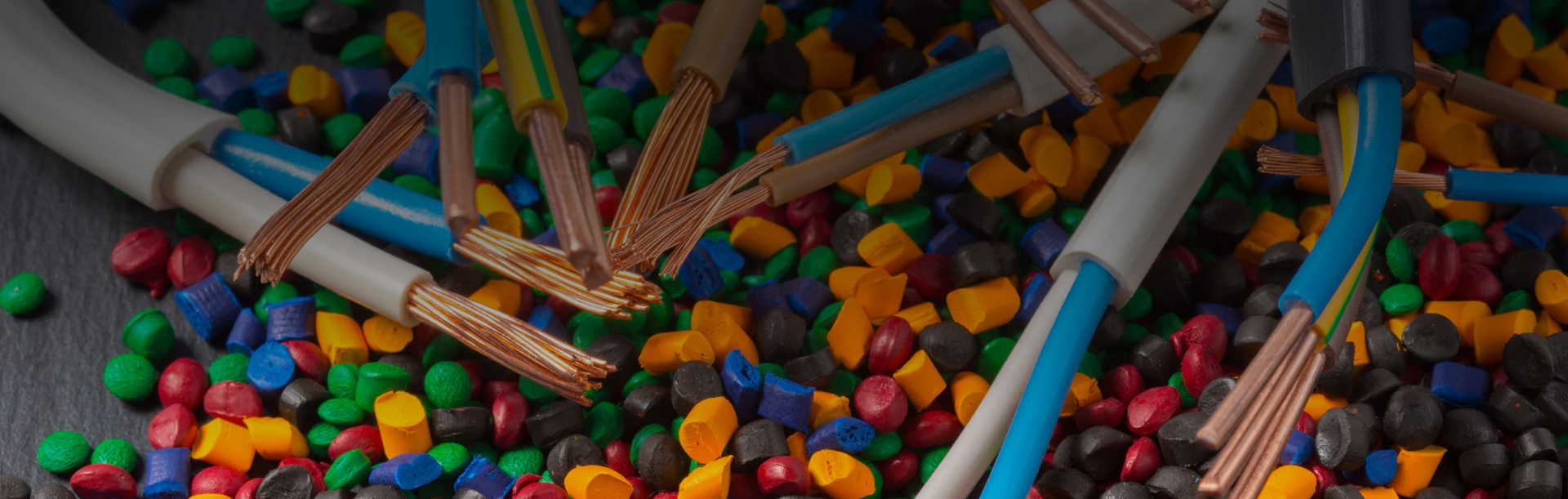
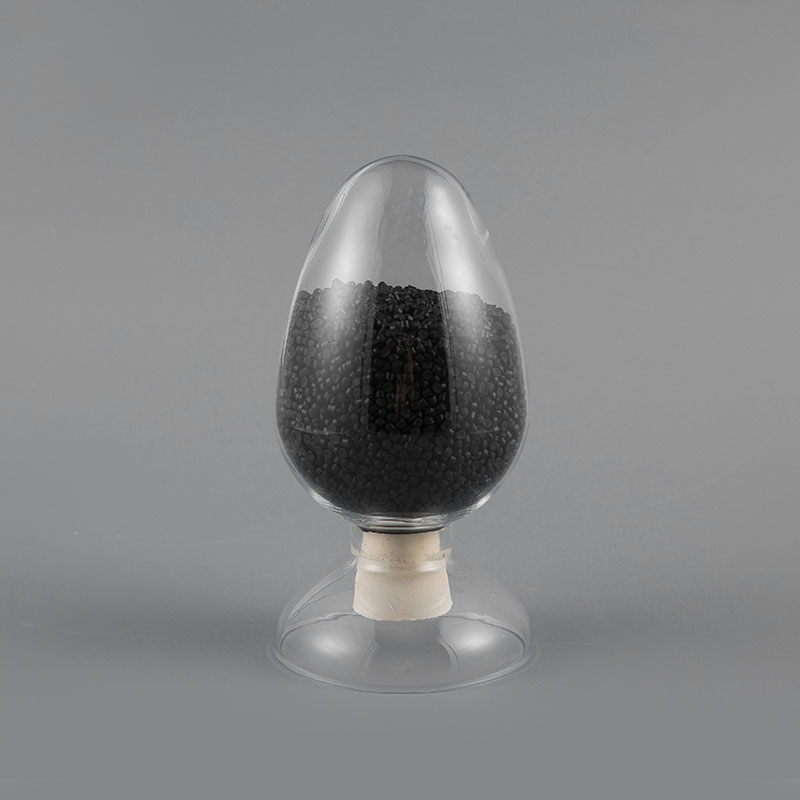
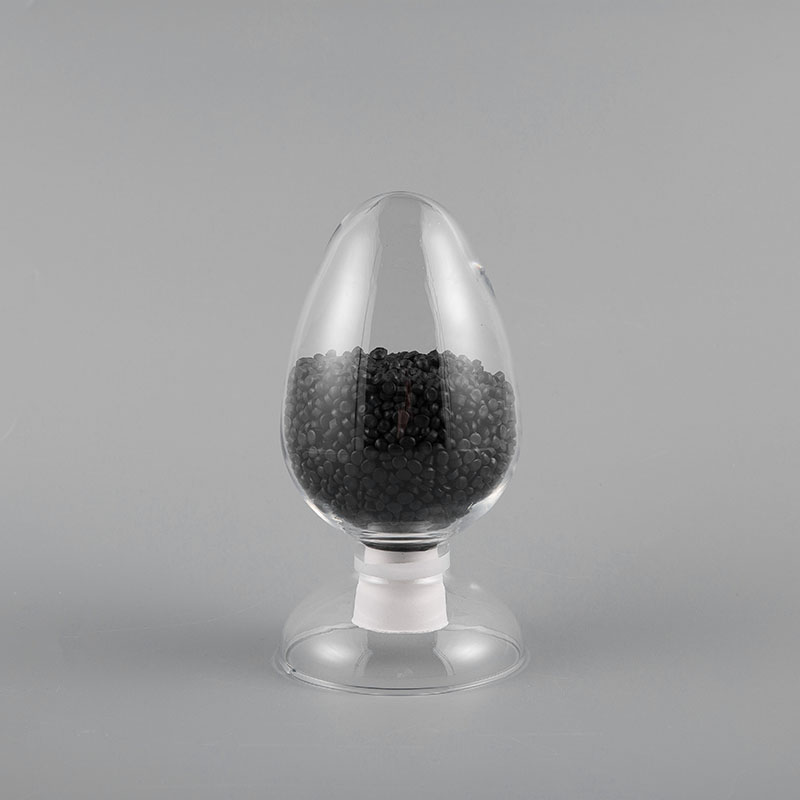
In the global electrical infrastructure sector, the reliability of power and data transmission is inextricably linked to the polymer science behind cable insulation. As environmental conditions become more volatile, PVC compounds for cables must be engineered to withstand rigorous thermal stress. Hangzhou Meilin New Material Technology Co., Ltd., with over three decades of expertise since 1994, operates 31 advanced automated production lines across 45,000 square meters to solve these complex material challenges. This technical analysis explores the chemical and mechanical mechanisms that allow PVC compounds for cables to maintain structural integrity in both cryogenic and high-heat environments.
Standard PVC is inherently rigid; however, for cable applications, it requires the integration of specific plasticizers to achieve flexibility. When evaluating heat resistant PVC compounds for power cables, engineers must select low-volatility plasticizers that prevent the material from becoming brittle over time. While standard compounds may degrade at temperatures exceeding 70°C, high-performance heat resistant PVC insulation utilizes polymeric plasticizers that remain stable up to 105°C or even 125°C. In contrast, PVC vs XLPE cable insulation for high temperatures reveals that while XLPE has a higher melting point, specialized PVC formulations offer superior cost-to-performance ratios for specific voltage ratings.
| Material Property | Standard PVC Compound | High-Performance heat resistant PVC insulation |
| Max Operating Temp | 70°C | 105°C - 125°C |
| Plasticizer Volatility | High (Leads to brittleness) | Ultra-Low (Maintains flexibility) |
| Service Life at 90°C | Short (Accelerated aging) | Long-term (20+ years) |
Extreme cold is just as damaging to cables as extreme heat. A critical question for infrastructure in northern climates is: What is the cold bend temperature of PVC cable compounds? High-performance cold resistant PVC cable compound is formulated to lower the glass transition temperature (Tg), ensuring that the cable does not crack during installation or movement at -40°C or -60°C. By improving low temperature flexibility in PVC cables through the use of adipate plasticizers, Hangzhou Meilin ensures that our low temperature PVC compound for outdoor cables meets international standards for arctic environments.
In the event of an electrical overload or external fire, flame retardant PVC cable materials play a vital role in preventing fire propagation. High-performance compounds incorporate Antimony Trioxide or Alumina Trihydrate to achieve a high Limiting Oxygen Index (LOI). When comparing PVC vs LSZH compounds for fire safety, PVC offers exceptional char-forming properties that protect the copper conductor. This is particularly crucial for PVC compounds for automotive wiring harnesses, where engine bay temperatures and fire risks are high. Our R&D team, which includes senior engineers accounting for over 30% of our management, focuses on UV resistant PVC compounds for outdoor cables to ensure safety even under intense solar radiation.
Long-term durability is not only about temperature but also about resistance to the elements. UV resistant PVC compounds for outdoor cables utilize carbon black or specialized UV absorbers to prevent photo-degradation. This prevents surface micro-cracking, which could otherwise lead to moisture ingress and dielectric failure. For PVC compounds for communication cables, maintaining a consistent dielectric constant across temperature swings is paramount for signal integrity.
| Environmental Factor | Impact on Standard PVC | High-Performance Solution |
| Solar Radiation | Surface oxidation and fading | Synergistic UV stabilizers |
| Oil Exposure | Plasticizer leaching/swelling | Oil resistant PVC compounds for industrial cables |
| High Vibration | Mechanical fatigue | High-elasticity vinyl matrices |
With an output value exceeding RMB 700 million in 2024, Hangzhou Meilin New Material Technology Co., Ltd. continues to lead the region in cable material innovation. Our focus on PVC compounds for cables that survive extreme temperatures ensures that our clients in the power, automotive, and communication sectors receive products optimized for the harshest environments on Earth.
Yes, through specialized formulation of cold resistant PVC cable compound, the glass transition temperature is adjusted to allow flexibility even in sub-arctic conditions.
Yes. Heat resistant PVC insulation is designed for continuous operation at high temperatures (e.g., 105°C), while flame retardant PVC cable materials are designed to self-extinguish when exposed to direct fire.
When analyzing PVC vs LSZH compounds for fire safety, PVC often provides better mechanical protection, superior chemical resistance, and is more cost-effective for indoor industrial environments where halogen emission is managed by ventilation.
We utilize 31 advanced automated production lines and a staff of senior engineers to monitor real-time compounding metrics, ensuring every batch meets international specification standards.
Absolutely. We support customization for specific requirements such as PVC compounds for automotive wiring harnesses or high-speed PVC compounds for communication cables.
절강성 항저우시 린안구 싱위 거리 259호
0571-63763088
문의하기 창의적인 프로젝트를 원하시나요? 생산적인 이야기를 나눠보자.
저작권 © 항저우 메이린 신소재 기술 유한 회사 모든 권리 보유. 맞춤형 전선 및 케이블 재료 제조업체
